Practical exercises that build real skills
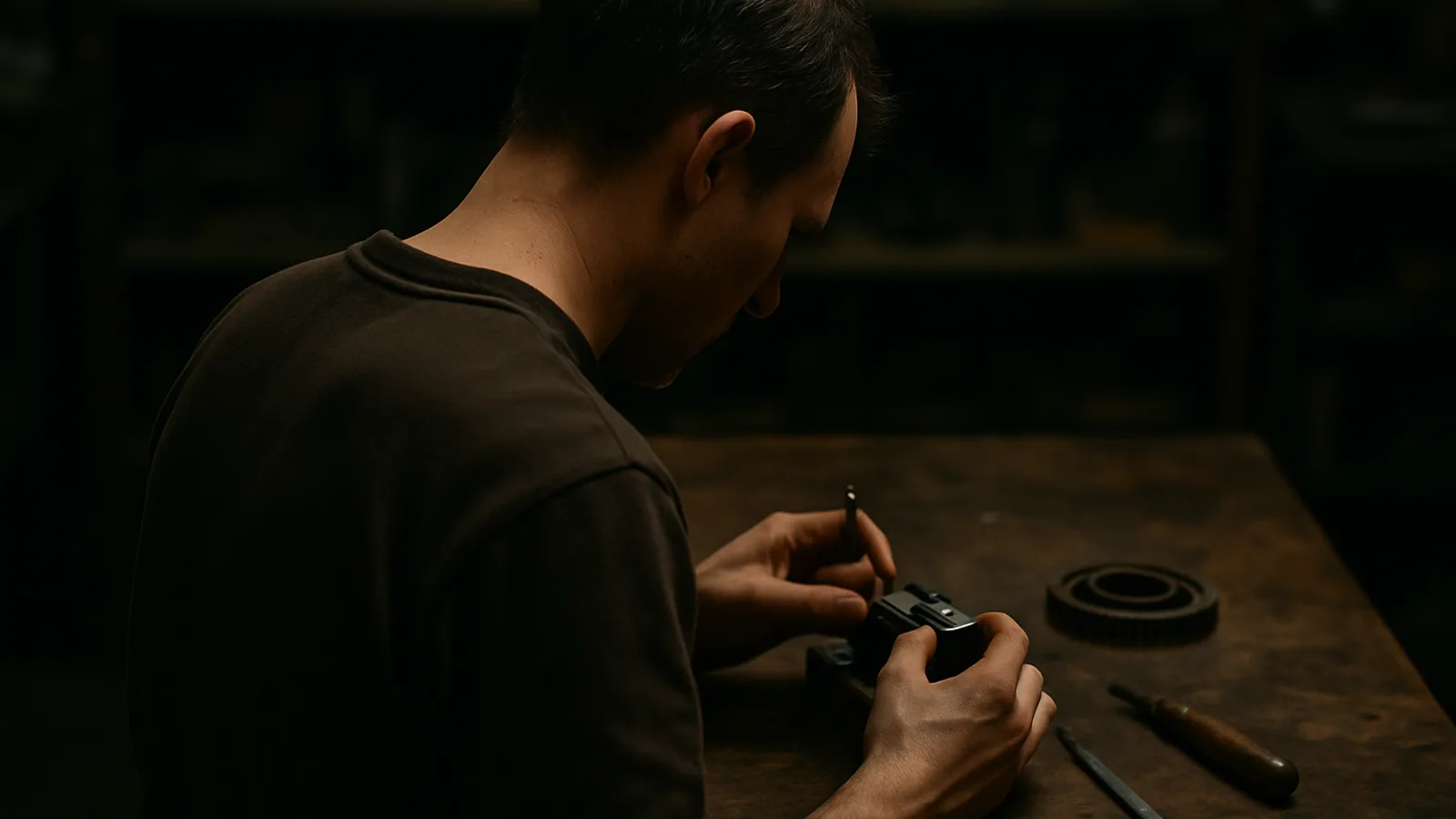
Why hands-on exercises build real skills
Reading about a skill and actually doing it are two very different experiences. When you read, you build a rough mental map of how something works. When you practise, you discover the gaps in that map — the details you skipped, the steps that turn out to be harder than they looked, and the decisions that only appear when you sit down to do the work. This is why hands-on exercises are the backbone of genuine learning. They convert passive understanding into active ability.
The reason exercises work comes down to how memory and understanding develop. Every time you retrieve information to solve a problem, rather than simply re-reading it, you strengthen the pathways that let you recall and apply that knowledge later. Struggling a little to reach an answer is not a sign that you are failing; it is often the moment the learning actually happens. A worked example you copy teaches you the shape of a solution, but an exercise you complete yourself teaches you how to think your way through a fresh problem.
Hands-on work also gives you honest feedback. A cooking recipe either produces an edible dish or it does not. A line of code either runs or throws an error. A drawing either captures the proportions or looks off. This immediate, tangible result is something no amount of reading can provide, and it is exactly what tells you where to focus your next effort.
What makes an exercise effective for learning
Not all practice is equally useful. Mindlessly repeating something you already do well feels productive but adds little. The most effective exercises share a few features. First, they sit just beyond your current comfort zone — challenging enough to require effort, but not so hard that you are lost and guessing. This zone is where attention stays engaged and improvement is fastest.
Second, a good exercise has a clear goal. Vague practice like 'get better at writing' rarely leads anywhere. 'Write a 200-word product description that a stranger could follow' gives you something concrete to aim at and a way to judge whether you succeeded. Clear goals make it obvious when you are done and what you learned.
Third, effective exercises isolate specific skills before combining them. If you are learning to play guitar, drilling chord changes on their own is more productive than always playing full songs where the difficulty is spread across many things at once. Break a complex ability into its parts, practise the weak parts deliberately, then reassemble them. Finally, the best exercises produce a result you can inspect — a finished piece, a working output, a measurable outcome. That result becomes the raw material for feedback and reflection, which is where the next round of improvement begins.
How to structure your practice sessions
A little structure makes practice far more productive than simply sitting down and hoping for progress. Start each session by deciding what one thing you want to work on. Naming a single focus keeps you from drifting between activities and diluting your effort. If you have thirty minutes, spend the first couple of them reminding yourself of the goal and reviewing where you left off last time.
A useful pattern is warm up, work, and review. Warm up with something familiar to get into the rhythm — a short easy task related to your skill. Then spend the bulk of your time on the challenging core exercise, the part that actually stretches you. Reserve the final few minutes to review: look at what you produced, note what went well, and jot down one thing to improve next time. That closing note becomes your starting point for the following session and prevents you from repeating the same mistakes unaware.
Shorter, focused sessions usually beat marathon ones. Attention fades, and long stretches often turn into low-quality repetition. Two focused sessions of thirty minutes each, on different days, tend to build skill more reliably than a single exhausting two-hour block. Spacing your practice out also gives your memory time to consolidate between sessions, which strengthens what you have learned.
Types of practical exercises to try
There are several categories of exercise, and mixing them keeps practice varied and effective. Reproduction exercises ask you to recreate something well-made — copying a chart, rewriting a paragraph in your own words, or rebuilding a small project from a tutorial. These teach you the mechanics and the standards to aim for. Once comfortable, move to variation exercises, where you take a known example and change one element: solve the same problem a different way, adapt a recipe with a new ingredient, or redesign a layout for a different audience.
Problem-solving exercises present a goal without a given method, forcing you to plan and choose your approach. These build the judgement that separates someone who can follow instructions from someone who can actually work independently. Timed challenges add a constraint that pushes you to work efficiently and reveals which steps you have truly internalised. Finally, teaching exercises — explaining a concept aloud or writing a short guide for a beginner — expose gaps in your understanding quickly, because you cannot explain clearly what you only half understand.
Deliberately rotating through these types stops you from getting stuck in a rut of comfortable, familiar tasks.
Getting useful feedback on your work
Feedback turns practice into progress by showing you the difference between what you intended and what you actually produced. The simplest feedback comes from the work itself: did the code run, did the dish taste right, did the reader understand your explanation. Build the habit of checking your output against a clear standard rather than a vague sense of 'good enough'.
Comparing your work to strong examples is another reliable method. Place your attempt next to a polished reference and look for specific differences. This kind of side-by-side comparison surfaces details you would otherwise miss. When you can, ask another person to review your work, but make your request specific: instead of 'what do you think?', ask 'is this instruction clear?' or 'does the ending feel rushed?'. Focused questions produce focused, actionable answers.
Whatever the source, feedback only helps if you act on it. Note the single most important correction, then make your next exercise a chance to apply it. Chasing every piece of criticism at once is overwhelming and rarely works; addressing one clear improvement per round produces steady, visible progress over time.
Common mistakes when practising and how to avoid them
The most frequent mistake is practising only what you already do well because it feels rewarding. Comfort is pleasant but it does not build new skill. Counter this by deliberately choosing exercises that target your weakest areas, even though they feel awkward at first. A little discomfort is a sign you are working at the right level.
Another common error is confusing activity with progress. Spending hours passively watching tutorials or re-reading notes feels like learning but produces little ability. Make sure most of your time is spent doing rather than consuming. A good rule of thumb is that if you finish a session without having produced or attempted anything, it was study, not practice.
People also tend to skip the review step, moving straight from one exercise to the next without reflecting on what happened. Without reflection, the same mistakes repeat and lessons never stick. Finally, many learners give up too early on a difficult exercise, mistaking the struggle for failure. That struggle is usually the point at which real learning is occurring. When something feels hard, slow down and break it into smaller pieces rather than abandoning it.
Building a sustainable practice routine
The best exercises are worthless if you do them once and stop. Consistency over time beats intensity in short bursts, so aim for a routine you can genuinely maintain. Start smaller than feels necessary — a fifteen-minute daily session you actually keep is far more valuable than an ambitious hour you abandon after a week. You can always extend sessions once the habit is stable.
Attach your practice to an existing anchor in your day, such as right after your morning coffee or before dinner. Linking a new habit to a fixed routine makes it easier to remember and harder to skip. Keep a simple record of what you practised and one note about how it went; watching that record grow becomes its own quiet motivation, and reviewing it helps you spot patterns in your progress.
Expect uneven progress. Some sessions will feel like breakthroughs and others like you are going backwards. Both are normal, and the backward-feeling days are often when your understanding is quietly reorganising itself. Be willing to adjust your exercises as you improve, raising the difficulty so that practice stays in that productive zone just beyond your comfort. A routine that grows with you keeps building real skill for the long term.
Example
Exercise types matched to what they build
| Exercise type | What it builds | Example |
|---|---|---|
| Reproduction | Mechanics and standards | Rebuild a project from a tutorial |
| Variation | Flexibility and adaptation | Solve a known problem a new way |
| Problem-solving | Independent judgement | Reach a goal without a given method |
| Timed challenge | Efficiency and recall | Complete a task under a set limit |
| Teaching | Depth of understanding | Write a short guide for a beginner |
FAQ
How long should a practice session be? Shorter, focused sessions usually work best. Around thirty minutes of concentrated effort tends to produce higher-quality practice than a long block where attention fades. Two focused sessions on different days often build skill more reliably than one long one, because spacing gives your memory time to consolidate.
How do I know if an exercise is at the right difficulty? A well-pitched exercise requires real effort but is not so hard that you are completely lost. If it feels easy and automatic, raise the challenge. If you are guessing with no idea how to start, break it into smaller pieces or review the basics first. A little productive struggle is the sign you are in the right zone.
What if I don't have anyone to give me feedback? You can generate useful feedback yourself. Check your work against a clear standard, compare your attempt side by side with a strong example, and look for specific differences. Testing whether your output actually works — the code runs, the explanation is clear — is a reliable source of honest feedback that needs no one else.
Why does my progress feel uneven from day to day? Uneven progress is completely normal. Some sessions feel like breakthroughs while others feel like you are slipping backwards. The difficult days are often when your understanding is quietly reorganising itself. Keeping a simple record helps you see the longer trend, which is usually more encouraging than any single session.
Read next
Read more